

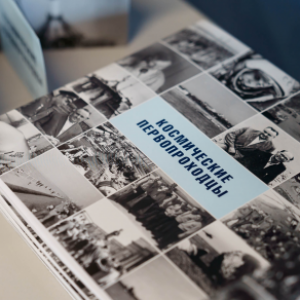
Today, in the library coworking space of Samara University, a presentation was held for a new publication by the Public Chamber of Samara Oblast—“Cosmic Pioneers.”
Authored by Valentina Poletaeva, Academic Advisor of the Russian Academy of Cosmonautics named after K. E. Tsiolkovsky, the book draws on personal recollections and firsthand accounts from participants of historic events to reconstruct—in vivid detail—the preparations leading up to the triumphant April 1961 spaceflight and the subsequent visits of Yuri Alekseyevich Gagarin and his fellow cosmonauts from the First Cosmonaut Group to Kuibyshev (now Samara).
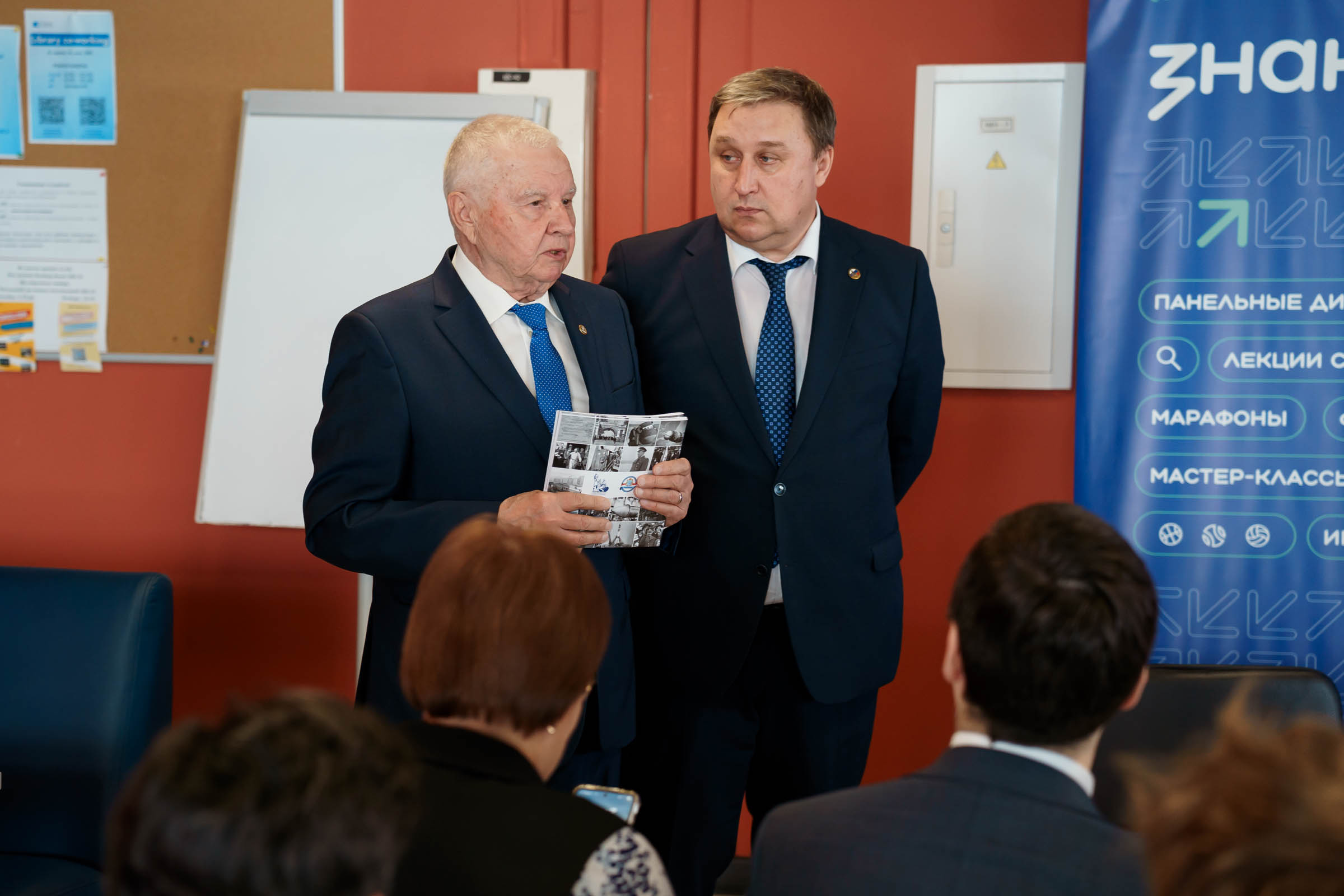
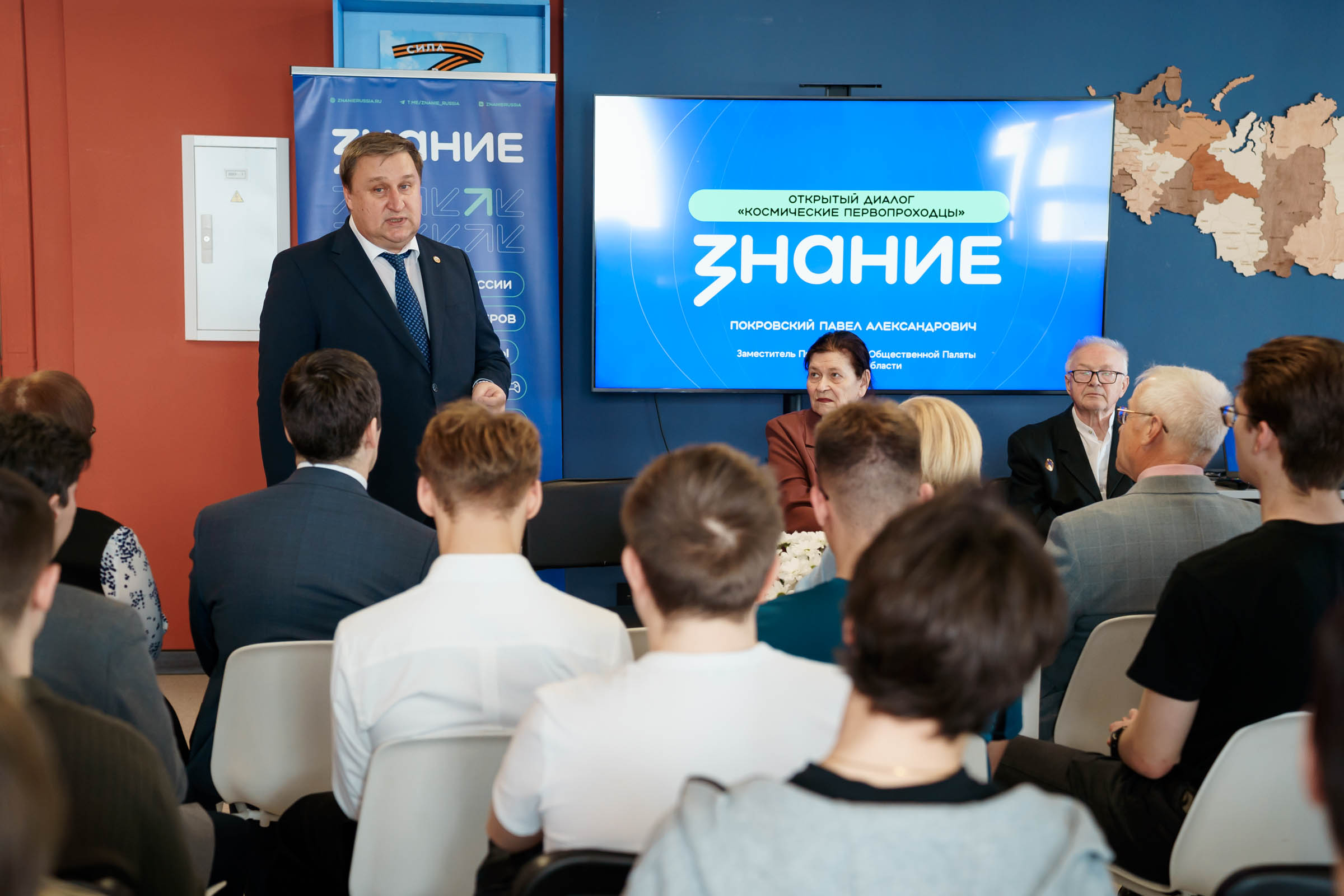


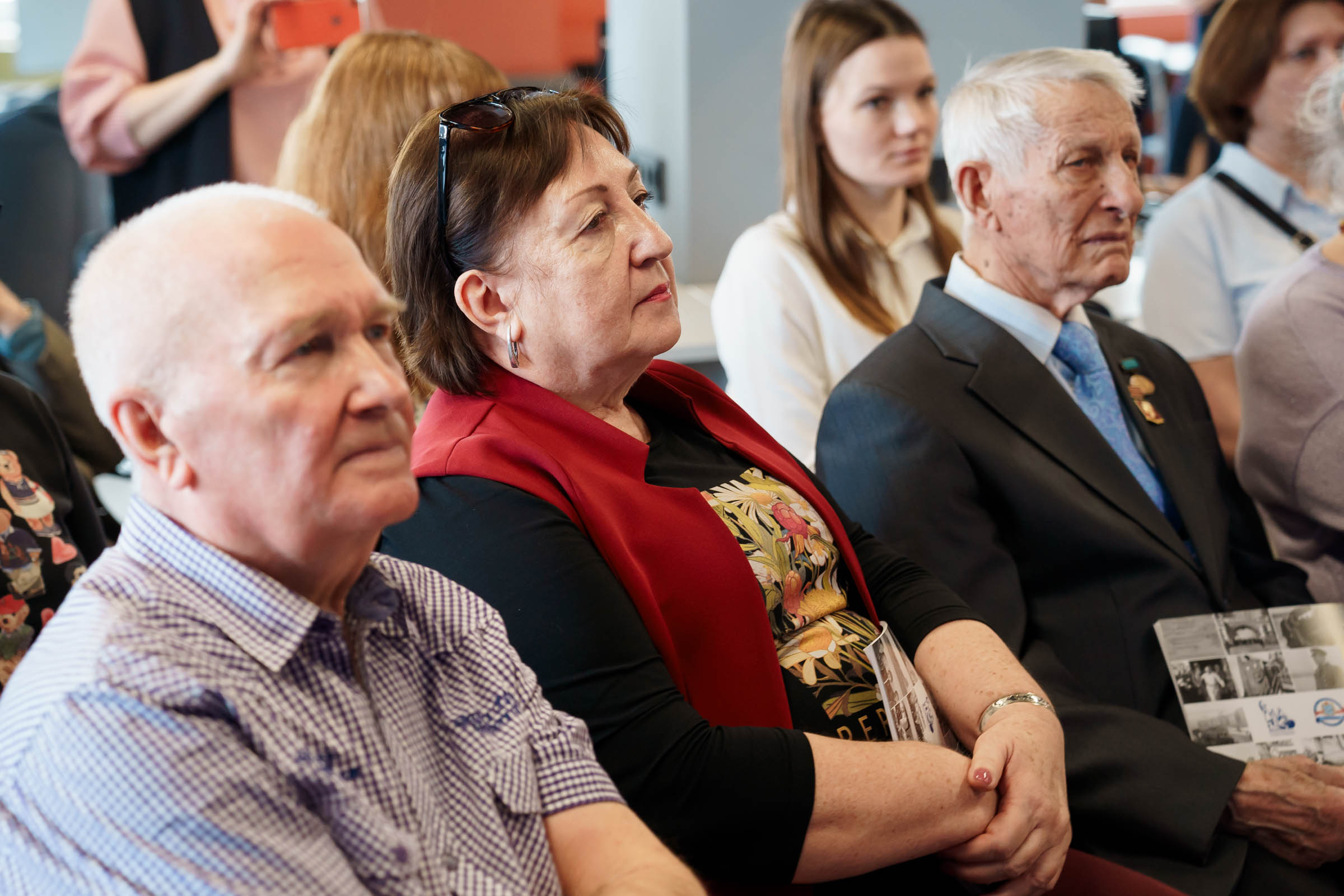

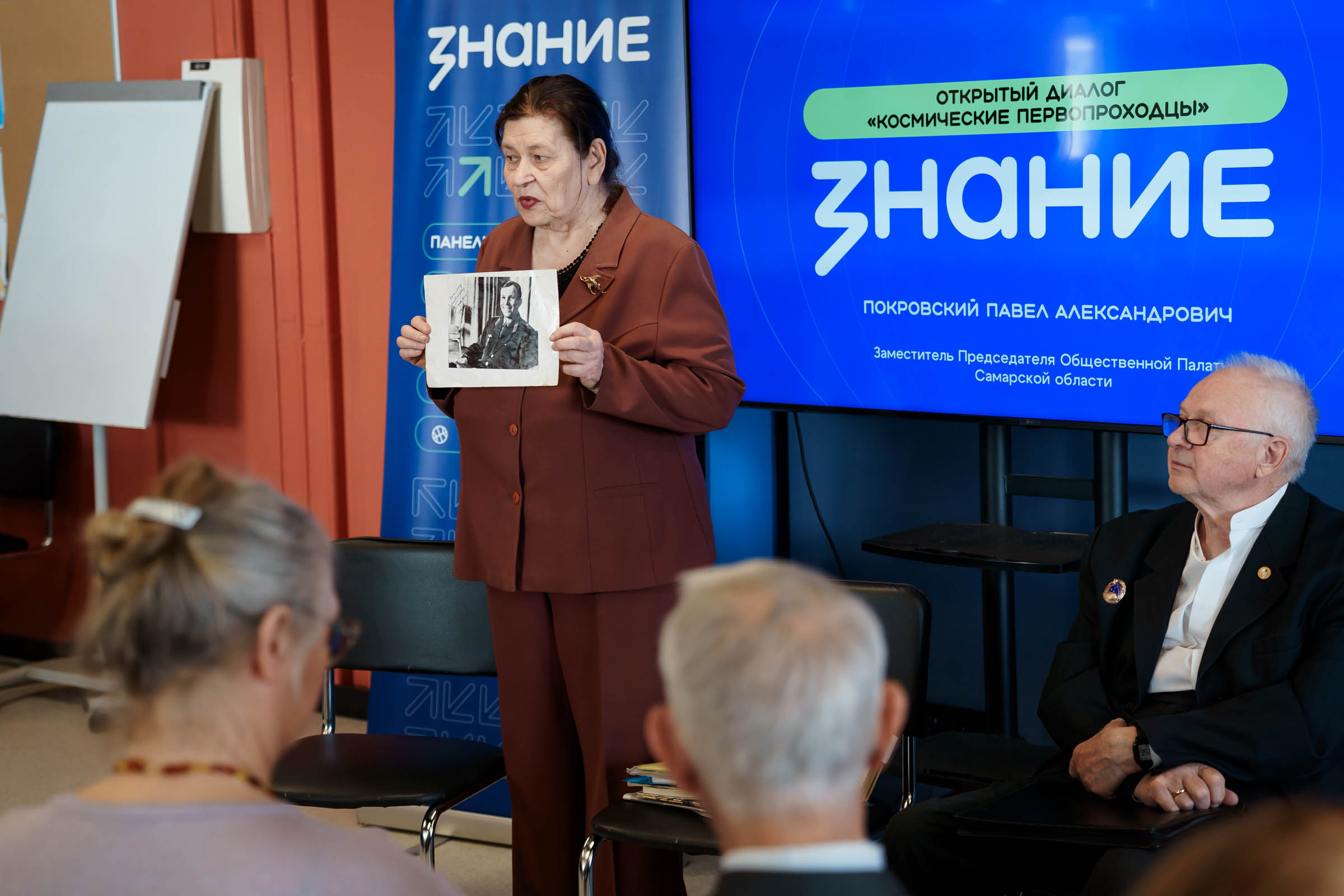
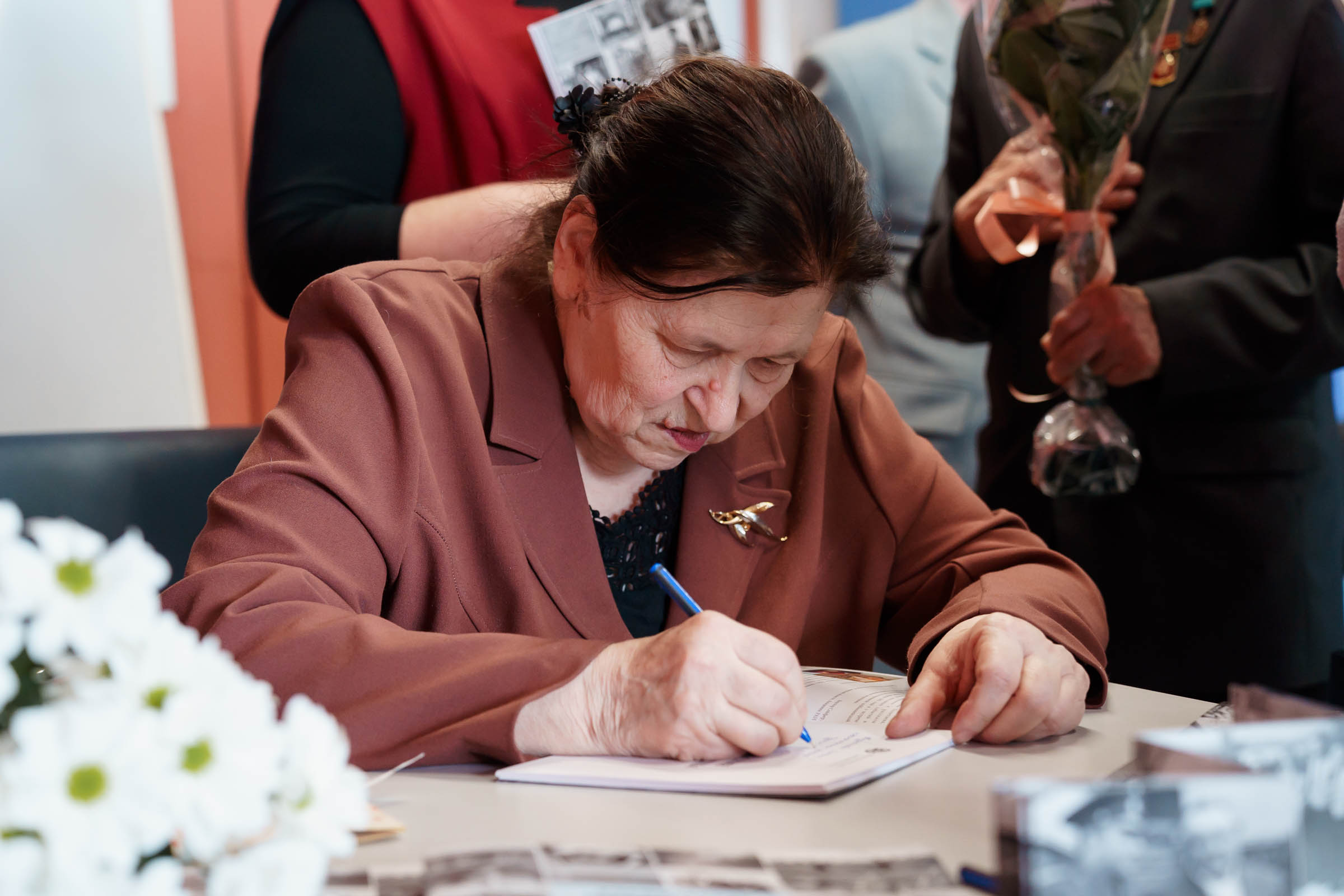
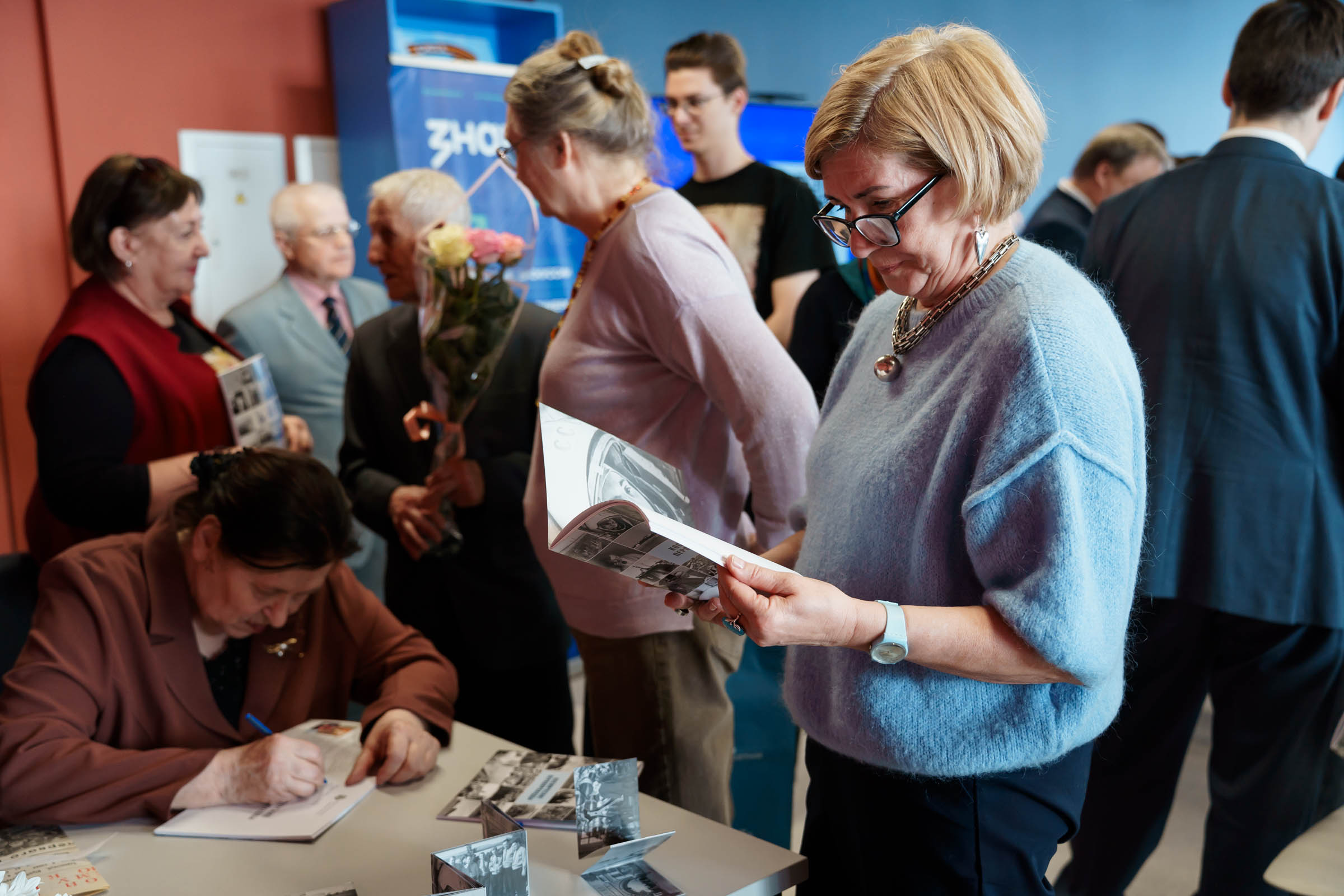
The book was introduced by its publisher, Pavel Pokrovsky, lecturer at the “Znanie” (Knowledge) Society and member of the Civic Chamber of the Russian Federation.
“I am confident this book will be met with great interest by readers,” Pokrovsky emphasized. “‘Space Week’ serves as a powerful tool for popularizing the achievements of Russian cosmonautics and elevating the prestige of careers in this field—goals directly aligned with the national project ‘Space,’ which aims to advance the industry, increase launch frequency, develop cutting-edge technologies, and train highly qualified specialists.”
Viktor Soifer, Academician of the Russian Academy of Sciences and President of Samara University, addressed attendees with a welcoming speech, highlighting Kuibyshev’s pivotal role in space exploration:
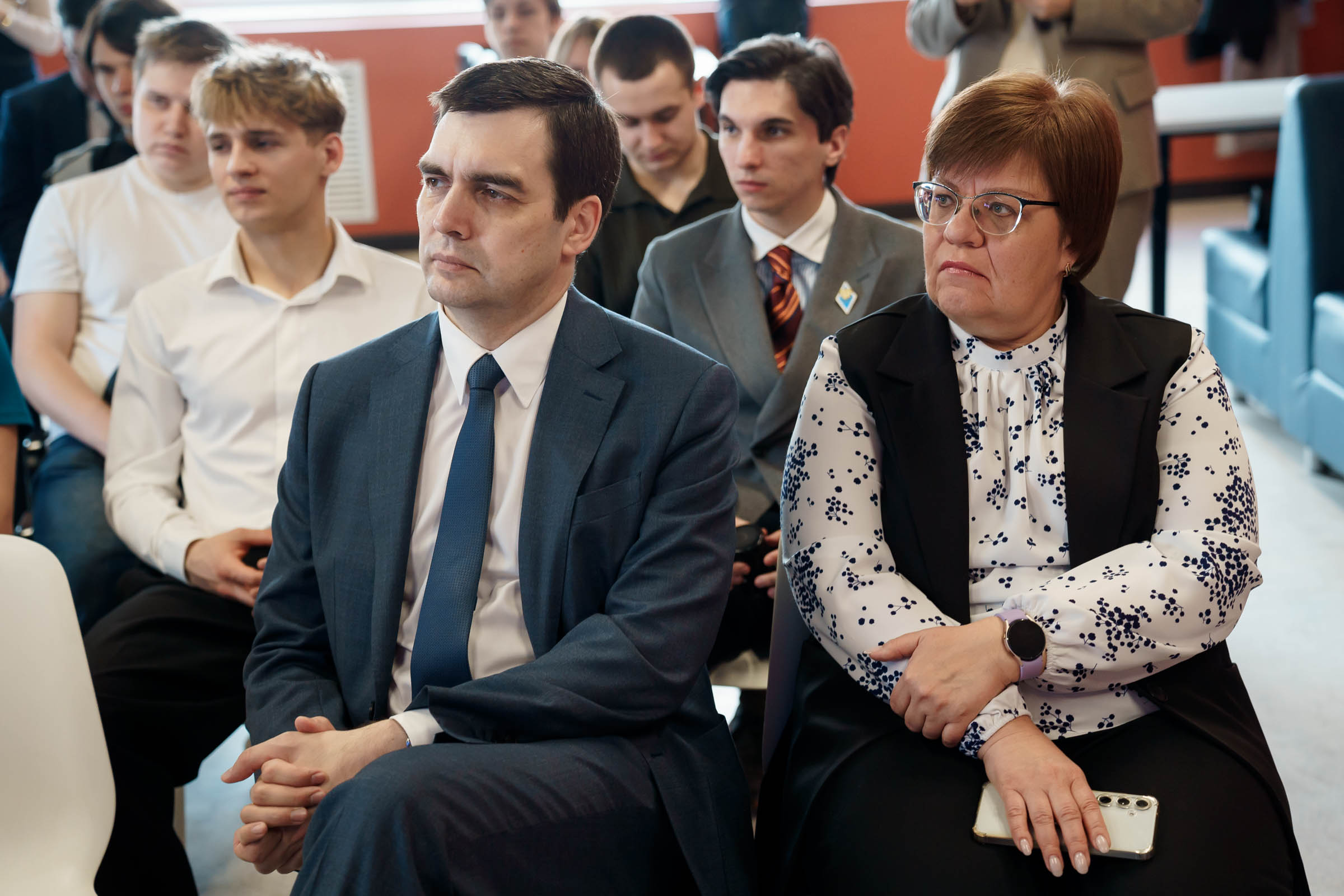
“Today we speak of an event that forever changed human history. Across the country, dozens of events are taking place ahead of April 12—not merely as tributes, but as living bridges between generations. The conquest of space was not built on abstract heroes, but on real people who lived and worked right here, on Samara soil. I’m especially glad to see so many young people at this presentation. The future belongs to you—it is you who must carry forward what the pioneers began. I wish you courage, knowledge, and unwavering belief in your own strength.”
Mikhail Leonov, Vice Rector for Student Affairs and Youth Policy, underscored the strategic importance of cosmonautics for national sovereignty and the book’s role in preserving historical truth:
“The Soviet Union was first in space—that is an indisputable fact that cannot be rewritten. Yet recent years have taught us a harsh lesson: we must rely solely on our own technologies, our own people, and our own science. Today, Russian cosmonautics is not just a source of pride—it is a matter of national security and sovereignty. Our university has always been—and remains—a pillar of space research. I am certain that together, we can meet any challenge. Valentina Poletaeva’s book is more than a collection of facts; it is a historical document capturing Kuibyshev’s vital contribution to space exploration. As long as we remember our past, we can clearly assess the present and confidently shape the future.”
Author Valentina Poletaeva shared insights into the “cosmic route” of Kuibyshev and the genesis of the book:
“This work is rooted in living conversations—with people, their personal stories, destinies, diaries, and archival newspaper articles. I collected every fragment related to Kuibyshev’s space legacy and the events of April 1961 with deep reverence. Why does this matter? Because until now, these chapters of our history were virtually unknown to the general public. I wanted to tell this story as no one had before—honestly, thoroughly, and with profound respect for every individual who helped make that first flight possible.”
The presentation marked one of the opening events of “Space Week” in Samara Oblast. The book has already been distributed to regional libraries and is intended not only for veterans of the space industry and historians—but above all for young people, who will write the next chapter in the development of Russian cosmonautics.
Photo by Olesya Orina
